How Much Does Western Union Charge To Send $1000, If you are planning to send money internationally or domestically, one of the most common questions is: “how much does Western Union charge to send $1000”. The answer is not fixed, because fees depend on several factors such as the destination country, payment method, payout option, and exchange rate markup.
In this article, we’ll break down how pricing works so you can estimate the total cost before sending money through Western Union.
Understanding Western Union Fees
Western Union does not charge a single flat fee for all transfers. Instead, the cost of sending $1000 is made up of two main components:
- Transfer fee (service fee)
- Exchange rate margin (hidden cost in currency conversion)
Both of these vary depending on how and where you send the money.
Typical Transfer Fees for Sending $1000
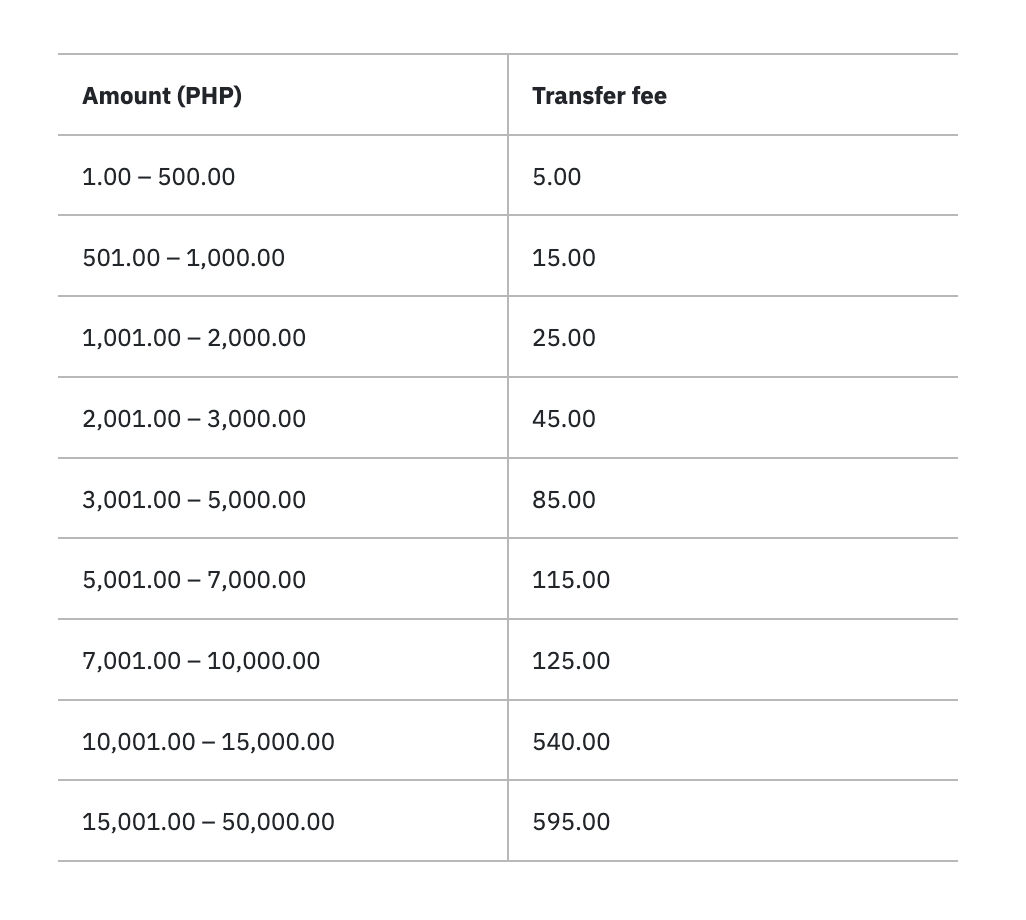
While exact charges change frequently, here is a general idea of what you might expect when sending $1000:
1. Domestic Transfers (within the same country)
- Fees may range from $0 to $30
- Bank account transfers are usually cheaper
- Debit/credit card payments may cost more
2. International Transfers
- Fees often range from $5 to $50+
- Cash pickup options may be more expensive
- Bank deposit transfers are usually cheaper
3. Express Transfers
- Instant or same-day transfers typically cost more
- Fees can exceed $50, especially for remote destinations
Exchange Rate Markup (The Hidden Cost)
A key factor in answering “how much does Western Union charge to send $1000” is the exchange rate.
Western Union, like most money transfer services, adds a small markup to the mid-market exchange rate. This means:
- You may not get the “real” market exchange rate
- The difference can equal 1% to 5% of the transfer amount
- On $1000, this could mean an additional $10 to $50+ in indirect cost
Factors That Affect the Total Cost
Several variables influence the final amount you pay:
1. Payment Method
- Bank transfer: usually cheapest
- Debit card: moderate fees
- Credit card: highest fees
2. Receiving Method
- Bank deposit: lower cost
- Cash pickup: higher cost
- Mobile wallet: varies by country
3. Destination Country
- Developed corridors (e.g., US–Europe) are cheaper
- Remote or less competitive corridors cost more
4. Speed of Transfer
- Standard transfers cost less
- Instant transfers cost more
Example Cost Breakdown (Approximate)
For sending $1000 internationally:
- Transfer fee: $10 – $40
- Exchange rate cost: $15 – $50
- Total estimated cost: $25 – $90+
So the recipient may receive less than the full converted value depending on the route and method.
How to Reduce Western Union Fees
If you want to minimize costs when sending $1000, consider these tips:
- Use bank account transfers instead of cards
- Avoid urgent or instant delivery unless necessary
- Compare exchange rates before sending
- Look for promotional offers or zero-fee campaigns
- Send larger amounts less frequently to reduce repeated fees
Final Answer
The exact answer to “how much does Western Union charge to send $1000” depends on multiple factors, but in most cases:
- You may pay around $10 to $50 in direct fees
- Plus an additional $10 to $50 in exchange rate margin
- Bringing the total cost roughly to $25 to $90+
Because pricing changes frequently, the most accurate estimate is always shown during the transaction process before you confirm the transfer.